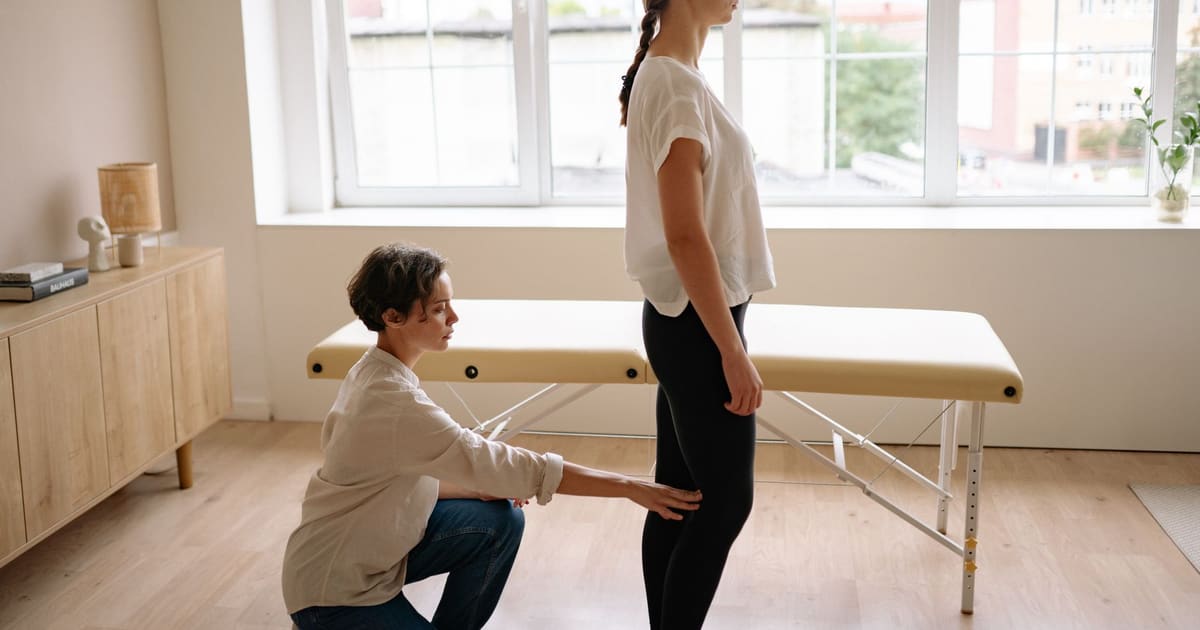
Thai massage is a bodywork style that guides the client through a sequence of assisted stretches while applying sustained pressure along energy pathways known as "sen lines," with both practitioner and client remaining clothed throughout the session. Unlike Swedish or deep tissue massage, there is no oil application and the session typically takes place on a floor mat or low platform rather than a massage table. A 60-minute session at a US day spa or Thai massage studio typically costs $60 to $120, based on published provider pricing.
What Is Thai Massage?
Thai massage draws from a tradition that blends Indian Ayurvedic principles, Chinese medicine concepts, and Buddhist spiritual practice into a structured bodywork system. The practice is sometimes called "nuat boran" (traditional massage) or "yoga massage" in Western wellness contexts, reflecting the guided-stretch component that distinguishes it from most Western massage styles.
In a traditional Thai massage session, the practitioner uses their hands, thumbs, palms, elbows, knees, and feet to apply pressure to specific points along the body while guiding the client through a series of passive yoga-like stretches. The client remains fully clothed throughout. No oils, lotions, or lubricants are used.
Thai massage is practiced in both traditional and modern spa formats in the US:
- Traditional studio format: Floor-mat session, often 90 to 120 minutes, following a full-body sequence rooted in the traditional practice
- Spa-adapted format: Table-based or mat-based session adapted to Western spa settings, often 60 minutes, sometimes blending elements with Swedish or deep tissue work
When booking Thai massage at a general day spa, ask whether the therapist is trained specifically in Thai massage technique or whether the spa's "Thai massage" is a Swedish massage with some stretching elements added. The distinction matters for what you will experience.
How Does Thai Massage Work? Techniques Explained
The theoretical framework of traditional Thai massage involves pressure applied along "sen lines" - pathways described in Thai traditional medicine as channels through which vital energy flows. Western physical therapy does not use this framework; the anatomical correlates that have been proposed (meridians, fascial chains, nerve pathways) are debated in the research literature.
What the technique produces physically is well-documented regardless of the theoretical framework:
Thumb walking and palm pressure: Sustained compressive pressure applied to muscle and soft tissue along the body, similar to trigger point therapy. The sustained hold - rather than gliding strokes - is characteristic of Thai technique.
Passive stretching: The practitioner guides the client's limbs through ranges of motion the client could not achieve independently. Common stretches include hip openers, spinal rotations, shoulder mobilizations, and hamstring lengthening. The practitioner uses their body weight and leverage to maintain the stretch safely.
Joint mobilization: Gentle traction and rotation of joints (ankles, wrists, shoulders) is incorporated in traditional sequences.
Walking and stepping: In some traditional Thai massage formats, the practitioner uses their feet to apply broad pressure to the back and legs while holding support lines above. This is less common in Western spa adaptations.
Thai Massage vs Swedish Massage: Key Differences
These are the two most commonly compared massage styles in the US, and the differences are significant enough to matter when booking.
| Attribute | Thai massage | Swedish massage |
|---|---|---|
| Clothing | Fully clothed throughout | Undress; draped with sheet |
| Oils/lotions | None (traditional) | Yes, applied to skin |
| Practitioner technique | Pressure + guided stretching | Gliding strokes (effleurage) |
| Surface | Floor mat or low table | Standard massage table |
| Client activity | Passive but repositioned frequently | Mostly stationary |
| Primary benefit | Flexibility, circulation, tension release | Relaxation, general tension |
| Typical session length | 60-120 minutes | 60-90 minutes |
| Cost (60 min US) | $60 - $120 | $60 - $120 |
If you have no experience with massage and are uncertain about undressing or oil application, Thai massage is a practical entry point because it removes those variables entirely. If you want targeted muscle work with oil application and standard table draping, a Swedish or deep tissue session is the conventional choice. For a comparison of the two main Western massage styles, see our guide to Swedish vs deep tissue massage.
What Are the Evidence-Based Benefits of Thai Massage?
Research on Thai massage has expanded in the past decade. The evidence is strongest for musculoskeletal pain and flexibility; some research supports anxiety reduction.
Musculoskeletal pain and tension: A 2019 systematic review in Complementary Therapies in Clinical Practice found that Thai massage produced statistically significant reductions in back pain and muscle tension across multiple randomized controlled trials. A study in the Journal of Alternative and Complementary Medicine (2018) found Thai massage equivalent to physical therapy for short-term relief of chronic low back pain.
Flexibility and range of motion: Multiple small RCTs support improved flexibility following a series of Thai massage sessions. This is the mechanistically plausible outcome given the passive stretching component of the treatment.
Anxiety and stress markers: Studies published in the Journal of Bodywork and Movement Therapies have reported reduced self-reported anxiety and lower salivary cortisol following Thai massage sessions. Effect sizes are modest and consistent with findings across therapeutic massage styles generally.
What is not yet established: Large-scale RCTs with long-term follow-up are limited. The theoretical sen-line framework has not been validated in anatomical research. Claims that Thai massage "clears energy blockages" or produces organ-level effects through specific pressure points are not supported by published clinical evidence.
Thai massage research comes with standard limitations
Most Thai massage studies are small, often with under 50 participants, and use self-report outcomes for pain and anxiety. This is consistent with the overall massage therapy research literature. The American Massage Therapy Association reviews this evidence base regularly; SpasRated recommends consulting AMTA's published position on massage therapy research rather than treating individual studies as definitive. Benefits are real and well-represented in the literature; magnitude should be interpreted with appropriate context.
What to Expect During Your First Thai Massage
First-timer anxiety about Thai massage is almost always about the stretching. Here is a concrete walkthrough:
Intake: The practitioner will ask about recent injuries, areas of concern, and any joint or orthopedic conditions. Answer honestly - the stretching component means that an unreported hip issue or shoulder injury can result in discomfort or aggravation. You are not expected to know your exact diagnosis; "my left shoulder clicks and sometimes hurts with certain movements" is enough.
Clothing: Wear or change into loose, comfortable clothing (loose pants and a t-shirt or similar). Most studios provide a set if you do not have appropriate clothing. Remove your shoes; socks are optional.
The session: You will start lying on your back. The practitioner will begin with your feet and legs, working upward. Sequences vary by practitioner and tradition, but the full-body coverage typically moves through feet, calves, thighs, hips, torso, arms, and neck over the course of the session. You will be repositioned several times - to your side, seated, and sometimes face-down.
The stretches: When a stretch begins, the practitioner will guide your limb into position. Your job is to stay passive and let the stretch happen rather than assisting. If a stretch is too intense, say so immediately - the practitioner will ease the position. The sensation should be a recognizable stretch, not a sharp or joint-level pain.
After the session: You may feel a combination of relaxed and lightly fatigued. Some people experience mild muscle soreness 24 to 48 hours later, similar to after a workout, because the passive stretching activates muscle lengthening that the body is not accustomed to. This is normal and typically resolves within a day.
Is Thai Massage Painful? What to Expect from the Pressure
The firm pressure and assisted stretching of Thai massage do produce a different sensation than a relaxation Swedish massage. Whether that reads as "painful" depends on your pressure tolerance and how the session is managed.
The sensation is most accurately described as a sustained, therapeutic discomfort - the kind of stretch or pressure that you feel working on tight tissue but that does not produce sharp, alarming, or joint-level pain. The practitioner should not apply force against muscle guarding (the involuntary tensing that occurs when a stretch is too aggressive). If you tense up, that is the signal to communicate.
What to say if the pressure is too intense: "A little less pressure here, please" or simply "softer" is standard and expected. You do not owe an explanation. A good Thai massage practitioner reads body language as well - tension, holding breath, flinching - and should adjust without being told. But speaking up is always appropriate.
Use the session tool at /tools/massage-type-quiz/ to match your goals with the right massage style
If you are still deciding between Thai, Swedish, deep tissue, or another style, the massage type quiz at /tools/massage-type-quiz/ asks five questions about your goals, pressure preferences, and experience level and recommends a starting point. Thai massage is suggested most often for people who want flexibility work and do not want to undress.
How Much Does Thai Massage Cost?
At US day spas and Thai massage studios, a 60-minute Thai massage session typically costs $60 to $120, according to published facility pricing. Specialist Thai massage studios, which often operate in the traditional floor-mat setting with longer session formats, tend to price at the lower to mid-range. Luxury day spas and resort spas tend to price Thai massage comparably to their other massage offerings.
| Session length | Typical price range | Where available |
|---|---|---|
| 30 minutes (spot or add-on) | $40 - $70 | Day spas, specialist studios |
| 60 minutes (standard) | $60 - $120 | Day spas, specialist studios |
| 90 minutes (traditional format) | $95 - $160 | Specialist Thai studios, resort spas |
| 120 minutes (full traditional) | $130 - $200 | Specialist studios |
For a comprehensive view of what massages cost by type and duration, see our guide to massage costs. For tipping guidance at the end of your session, see our guide to how much to tip at a spa.
Arrive 10 minutes early for your first Thai massage appointment
Because you will change into clothing provided by the studio, need a brief intake conversation, and may have questions about the session format, arriving 10 minutes before your appointment start time gives you enough buffer to be comfortable and unhurried before the session begins. Arriving late compresses your actual treatment time in most studios - the session ends at the scheduled time regardless of when it started.
Frequently asked questions
Do you stay clothed during Thai massage?
Yes. Thai massage is performed with you fully clothed in loose, comfortable clothing, unlike Swedish or deep tissue massage where clients undress and are draped with a sheet. Most Thai massage practitioners provide loose pants and a top at the session if you arrive in regular clothes. You do not use oils or lotions during a traditional Thai massage.
Is Thai massage painful?
Thai massage uses firm, sustained pressure and assisted stretches that may produce the 'good hurt' sensation familiar from other therapeutic massage styles. It should not be sharply painful. Pressure is applied with thumbs, palms, elbows, feet, and knees. You can and should tell your practitioner if any stretch or pressure point is too intense - they will adjust without requiring an explanation.
What are the main benefits of Thai massage?
Peer-reviewed research published in journals including the Journal of Alternative and Complementary Medicine supports Thai massage for reducing musculoskeletal pain, improving flexibility, and lowering reported anxiety. A 2019 review in Complementary Therapies in Clinical Practice found evidence of improved range of motion and reduced muscle tension in active adults. Benefits are broadly similar to other therapeutic massage styles.
Who should avoid Thai massage?
Thai massage involves active stretching that places the spine and joints through a wide range of motion. People with recent orthopedic surgery, herniated discs, severe osteoporosis, or acute joint injuries should consult a physician before booking. Pregnant individuals should avoid traditional Thai massage - prenatal massage performed by a specialist is the appropriate alternative during pregnancy.
How long is a typical Thai massage session?
Traditional Thai massage sessions are typically 60 to 90 minutes. The longer format (90 to 120 minutes) allows the practitioner to work through the full body sequence at a thorough pace. Shorter 30-to-60-minute sessions focus on specific areas (back, legs) rather than the full-body flow that defines the traditional practice.
How much does Thai massage cost compared to Swedish massage?
Thai massage and Swedish massage are priced comparably at most US day spas, typically $60 to $120 for a 60-minute session. Specialized Thai massage studios that practice in the traditional floor-mat format may price slightly lower than luxury day spa rates. The pricing difference between styles at the same facility is usually minimal.