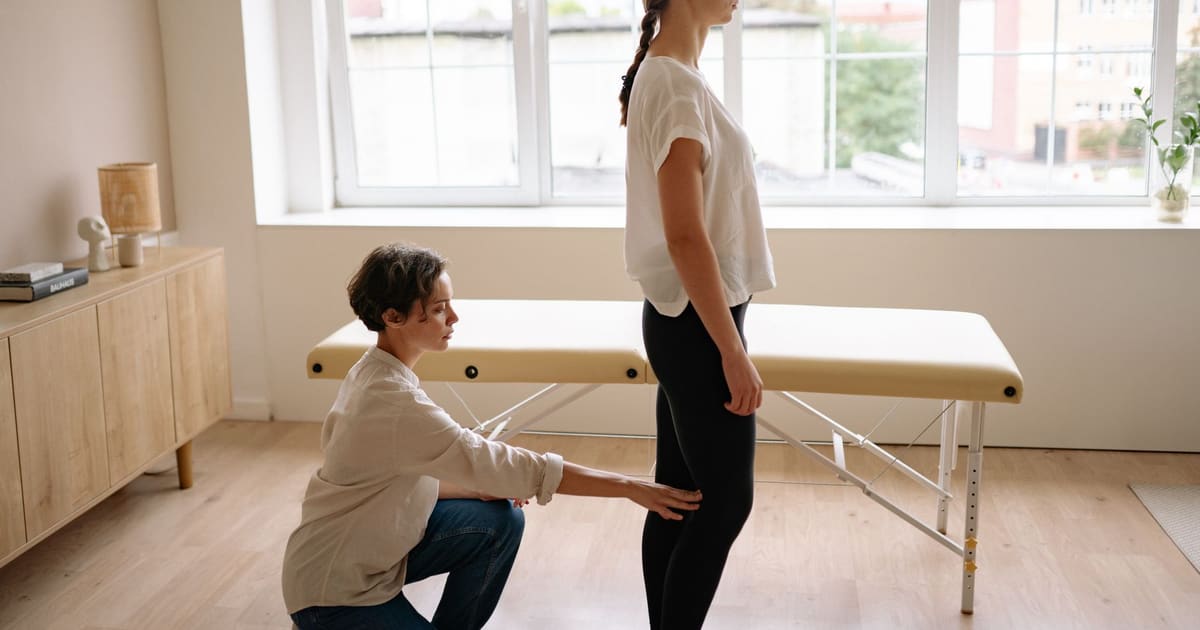
Swedish massage is the most commonly booked massage type at US day spas and the recommended starting point for first-timers, according to the American Massage Therapy Association (AMTA). Beyond Swedish, more than a dozen distinct massage styles are available at spas -- each suited to different goals, pressure tolerances, and physical conditions. This guide covers the eight most common types, what each does, who benefits most, and how to decide between them.
Swedish Massage: The Relaxation Standard
Swedish massage uses five core techniques: effleurage (long gliding strokes), petrissage (kneading), tapotement (percussion), friction (cross-fiber rubbing), and vibration. Sessions typically run 60 to 90 minutes and cover the full body in sequence. Pressure ranges from light to moderate; therapists adjust based on client preference.
AMTA member surveys indicate a 60-minute Swedish massage costs $60 to $120 in most US markets, with 90-minute sessions running $90 to $150. The format is the baseline from which most other Western massage styles adapt.
Who it suits: first-time massage clients; anyone seeking stress reduction, improved sleep, or general relaxation; clients who want full-body coverage at manageable pressure. It is the lowest-risk introduction to massage for people uncertain about pressure preferences or treatment expectations.
Who may want something different: clients with chronic muscular tension, specific pain areas, or sports recovery goals often find Swedish pressure insufficient for those needs. See the deep tissue and sports sections below.
Deep Tissue Massage: For Chronic Tension and Pain
Deep tissue massage uses sustained pressure on the myofascial layer -- the connective tissue surrounding muscles -- and on specific muscle fiber groups. Therapists use forearms, elbows, and reinforced fingers to reach tissue that Swedish strokes do not access. Sessions can be uncomfortable when working on areas of significant tension; communication with the therapist about pressure is important throughout.
AMTA member survey data places 60-minute deep tissue sessions at $75 to $130 at most day spas. Post-session soreness lasting 24 to 48 hours is common, particularly for first-time recipients.
Who it suits: clients with chronic tension in the neck, shoulders, or lower back; anyone who has found Swedish massage too light to produce lasting relief; athletic clients with persistent muscular tightness.
Who should avoid or modify: clients with acute injuries, osteoporosis, blood clotting conditions, or active inflammation should consult a physician before booking deep tissue work. For a full comparison of Swedish and deep tissue, see our guide to Swedish vs deep tissue massage.
Hot Stone Massage: Heat-Assisted Muscle Relief
Hot stone massage places heated basalt stones (130 to 145 degrees F) on key body points and uses therapist-held stones for warming strokes before deeper work. The heat softens muscle tissue and allows the therapist to achieve depth equivalent to firm manual pressure without the physical intensity.
The typical cost premium over Swedish massage runs $20 to $60 per session, based on aggregated provider pricing. For a full cost breakdown, see our hot stone massage cost guide.
Who it suits: clients who want the depth of a deep tissue massage but prefer warmth to sustained pressure; anyone with chronic tension who is heat-tolerant; clients seeking a distinctive spa experience beyond a standard massage.
Who should avoid it: clients with cardiovascular conditions, skin conditions affecting temperature sensitivity, diabetes with neuropathy, or pregnancy. The hot stone massage benefits guide covers contraindications in detail.
Sports Massage: For Athletes and Active Recovery
Sports massage targets specific muscle groups used in athletic activity. It combines deep tissue techniques with assisted stretching and can be applied before competition (shorter, activation-focused), after competition (recovery-focused, targeting lactic acid and soreness), or as ongoing maintenance between training cycles.
Unlike Swedish and deep tissue massage, sports massage frequently involves the client in active participation -- moving limbs through range of motion while the therapist applies resistance or facilitated stretching. Sessions typically run 60 to 90 minutes.
Who it suits: athletes at any level with specific muscle groups to address; active individuals managing recurring tightness from a consistent training pattern; people recovering from exercise-related muscle soreness.
Important distinction: sports massage is not sports medicine. It does not diagnose or treat injuries. If you have a suspected muscle tear, ligament injury, or structural problem, see a sports medicine physician or physical therapist before booking massage.
Thai Massage: Assisted Stretching Fully Clothed
Thai massage is performed fully clothed on a floor mat rather than a treatment table. The therapist guides the client through assisted yoga-like stretches while applying pressure along energy lines (sen lines in Thai medicine) using hands, elbows, knees, and feet. No oils are used; loose-fitting clothing is provided or requested.
The format is more active than Western massage styles -- the client is repositioned throughout the session and participates in the stretch sequences. Sessions typically run 60 to 90 minutes.
Who it suits: clients who prefer not to undress; people with restricted flexibility who want passive assisted stretching; anyone who finds lying still on a table uncomfortable or who wants a more energizing rather than sedating massage experience.
Who may prefer an alternative: clients seeking primarily relaxation or who have joint hypermobility, recent joint surgery, or significant osteoporosis, since the stretch components may not be appropriate. For a full treatment guide, see what is Thai massage.
Prenatal Massage: Safety and Technique for Pregnancy
Prenatal massage adapts standard massage techniques to safely address the physical discomforts of pregnancy: back pain, hip tension, leg cramping, and swelling. The client is positioned in a side-lying position or with a specialized bolster system rather than lying flat. Pressure on the abdomen and specific pressure points associated with labor induction (though evidence for that association is limited) is avoided.
The American College of Obstetricians and Gynecologists (ACOG) notes that massage during pregnancy is generally safe after the first trimester for low-risk pregnancies. First-trimester massage is refused by many therapists due to elevated miscarriage risk in that window, though a direct causal link between massage and first-trimester miscarriage is not established.
Prenatal massage requires physician or midwife clearance in some cases
If you have a high-risk pregnancy, preeclampsia, placenta previa, a history of preterm labor, or deep vein thrombosis, consult your obstetrician or midwife before booking any massage. These conditions require medical evaluation before massage of any kind. For a full safety guide by trimester, see our prenatal massage safety guide.
Who it suits: pregnant clients from the second trimester onward with physician or midwife clearance, experiencing back pain, leg cramping, hip tension, or generalized muscular discomfort from postural changes.
Reflexology: Pressure Points on the Feet
Reflexology applies firm pressure to specific zones on the feet (and sometimes hands or ears) that are mapped, in reflexology theory, to correspond to organs and body systems. The evidence base for zone-correspondence claims is limited; however, the localized foot pressure and relaxation response are consistent findings in small studies.
Sessions run 30 to 60 minutes and are performed with the client fully clothed except for shoes and socks. Cost typically runs $40 to $90 for a 30-to-60-minute session at a day spa.
Who it suits: clients who prefer not to fully undress; anyone with foot tension from standing work or athletic use; clients interested in a relaxation modality as a complement to other spa services.
For a full guide including evidence and what to expect, see our reflexology guide.
How to Choose the Right Massage Type for Your Needs
The practical decision framework:
Identify your primary goal: relaxation, pain relief, athletic recovery, flexibility, pregnancy support, or post-surgical care. Your goal narrows the field significantly before anything else.
Assess your pressure tolerance: if you are new to massage or unsure, start with Swedish. You can always request more pressure within a session or choose a deeper modality for a subsequent appointment.
Check for contraindications: deep tissue, hot stone, sports, and Thai massage each have populations who should avoid or modify them. If you have a chronic health condition, recent surgery, cardiovascular condition, or are pregnant, review the relevant guide or consult your physician before booking.
Consider undressing preference: if keeping your clothes on is important to you, Thai massage or reflexology are the straightforward options.
Match session length to your goal: recovery and athletic work benefit from 75 to 90 minutes to cover the specific muscle groups involved. Relaxation sessions at 60 minutes are sufficient for most clients.
For guidance on how often to book once you have found a massage type that works for you, see our guide on how often you should get a massage.
Which massage type is right for you
Swedish is the right starting point for first-timers and relaxation. Deep tissue addresses chronic muscle tension but requires pressure tolerance. Hot stone provides depth via heat rather than force. Sports massage suits athletes with specific recovery goals. Thai massage works fully clothed through assisted stretching. Prenatal massage requires pregnancy-specific training and physician clearance in high-risk cases. When uncertain, tell the therapist your goal and let them recommend the technique -- a good LMT will ask before you do.
Frequently asked questions
What is the most popular type of massage?
Swedish massage is the most commonly offered massage type at US day spas, according to the American Massage Therapy Association (AMTA). It uses long gliding strokes, kneading, and light percussion to promote relaxation and circulation. It is the baseline treatment most therapists recommend for first-time massage clients and accounts for the majority of massage appointments at day spas.
Which massage is best for stress relief?
Swedish massage is the most widely studied massage type for stress relief, with multiple small clinical trials showing reductions in cortisol levels and self-reported stress after single sessions. AMTA research summaries consistently identify Swedish massage as the first recommendation for relaxation and stress-reduction goals. Hot stone massage produces similar effects with heat-assisted muscle relaxation.
Which massage type is best for back pain?
Deep tissue massage is most commonly recommended for chronic lower back pain and muscular tension. AMTA cites research showing that regular deep tissue massage reduces perceived pain intensity in people with chronic back issues. For acute back pain or injury, consult a physician before booking any massage, since manipulation of an acutely injured area may worsen symptoms.
Is there a massage type that does not require undressing?
Yes. Thai massage is performed fully clothed in loose-fitting clothing -- no undressing is required. The therapist guides the client through assisted stretches and applies pressure through the clothing. Chair massage is also fully clothed. Both styles are available at many day spas and some dedicated Thai massage studios.
How do I tell a massage therapist which type I want?
The simplest approach is to state your goal rather than the massage name: 'I want to relax and de-stress,' 'I have chronic tightness in my shoulders and neck,' or 'I just ran a race and need muscle recovery.' A licensed therapist can then recommend the technique that matches your goal. If you have a specific type in mind, name it -- therapists are accustomed to both goal-based and type-based requests.
Which massage is most commonly offered at day spas?
Swedish massage is the most universally available massage type at US day spas. Deep tissue massage is offered at most mid-tier and higher spas. Hot stone, prenatal, and sports massage are standard at spas with expanded menus. Thai massage and reflexology are more specialized -- available at dedicated studios and some spas but not universal. Float therapy and lymphatic drainage are specialty services with more limited availability.