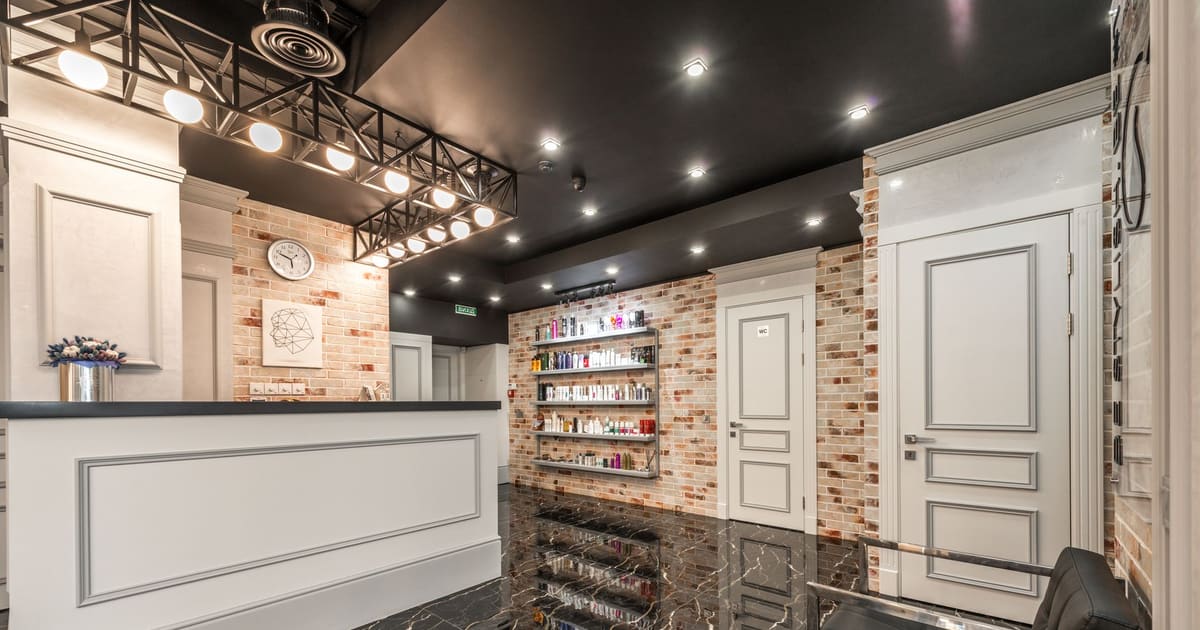
Microdermabrasion costs between $100 and $250 per session for most US consumers, with the American Society of Plastic Surgeons (ASPS) reporting a national average of $136 to $167 per treatment in its most recent cosmetic surgery statistics. Day spas tend to price toward the lower end of that range; dermatologist offices and medical spas tend toward the higher end.
What Does Microdermabrasion Cost on Average?
The ASPS annual statistics, which aggregate pricing data from thousands of board-certified plastic surgeons and dermatologists, consistently place the average microdermabrasion session in the $136 to $167 range when performed at a medical-level practice. Day spa pricing runs slightly below that floor for a comparable treatment, often in the $100 to $150 range.
| Provider type | Typical single-session cost | Notes |
|---|---|---|
| Day spa (esthetician) | $100 - $175 | Diamond or crystal tip; varies by region |
| Medical spa | $150 - $250 | Physician-supervised; may include stronger suction |
| Dermatologist office | $150 - $250 | Medical-grade device; sometimes combined with peel |
| Resort / luxury spa | $175 - $300+ | Premium facility overhead included |
Source: ASPS 2023 Plastic Surgery Statistics Report; aggregated provider pricing.
Geographic variation is significant. A session that costs $130 at a suburban day spa in the Midwest may run $200 at a comparable spa in New York City. That reflects local rent and labor costs, not a difference in the treatment itself.
For context on where microdermabrasion sits within the broader spectrum of facial service pricing, our guide on how much a facial costs covers the range from basic cleansing treatments to medical-grade procedures.
Day Spa vs Dermatologist: How Provider Type Affects Price
The most consistent pricing gap is between day spa estheticians and medical providers. Day spas can offer microdermabrasion at lower price points because their overhead structure is built around high-volume skincare services rather than medical facility compliance costs.
Day spa: A licensed esthetician performs the treatment using a commercial diamond-tip or crystal unit. Pricing reflects esthetician wage, equipment maintenance, and facility costs. No physician is required for standard cosmetic microdermabrasion at this setting.
Medical spa: A physician or nurse practitioner supervises the practice, and the treatment may be offered at higher suction settings than a day spa esthetician can legally use in some states. Medical spas also offer combination treatments - microdermabrasion followed by a chemical peel or LED light therapy in the same session - that are not available at standard day spas.
Dermatologist office: Medical-grade device calibration and a physician who can integrate microdermabrasion into a broader treatment plan for conditions like melasma or post-acne discoloration. Highest price point per session.
The practical choice between settings depends on what you are treating. For general skin maintenance and texture improvement, a day spa esthetician at $100 to $175 per session is entirely appropriate. For targeting specific conditions diagnosed by a physician, or for combination treatments, a medical spa or dermatologist commands the premium for a reason. See our day spa vs medical spa guide for the full comparison.
Crystal vs Diamond Microdermabrasion: Is There a Cost Difference?
Most providers have transitioned from crystal to diamond-tip microdermabrasion over the past decade, making crystal microdermabrasion less common. Where both are still offered, they are typically priced comparably.
Crystal microdermabrasion: Uses a stream of fine aluminum oxide crystals sprayed at the skin surface under pressure, then vacuumed away along with exfoliated debris. Effective but messy - crystals can get into eyes if protective goggles are not used, and the suction unit requires regular crystal-chamber maintenance.
Diamond-tip microdermabrasion: The wand head is tipped with fine industrial diamond particles that abrade the skin on contact as the esthetician moves the tip across your face. No loose particles. Suction pulls the exfoliated cells directly into a collection chamber. More precise - the esthetician controls pressure by varying tip angle and pass speed.
Hydradermabrasion / wet microdermabrasion: Some providers offer a combined diamond-tip exfoliation with simultaneous serum infusion - essentially a hybrid of microdermabrasion and HydraFacial technique. This is typically priced $25 to $75 higher than standard microdermabrasion because it includes serum costs.
In practice, the choice between crystal and diamond is largely irrelevant to most consumers - if your provider uses a well-maintained diamond-tip device, you do not need to seek out crystal. What matters more is the esthetician's experience and the suction pressure settings used.
How Many Microdermabrasion Sessions Do You Need?
For casual skin maintenance (improved texture, cleaner-feeling pores), some people are satisfied with a single session before a special event or every few months. For addressing specific concerns, you should budget for a series:
Mild texture irregularities or superficial acne marks: A series of four to six sessions spaced two to four weeks apart, based on licensed esthetician training standards from bodies such as the National Coalition of Estheticians, Manufacturers/Distributors and Associations (NCEA).
Moderate hyperpigmentation or early signs of aging: Six to ten sessions in the initial series, with monthly maintenance afterward. This is the protocol commonly recommended at dermatologist offices.
Pre-event single session: One session three to five days before the event. Avoid booking within 48 hours of the event in case of temporary redness.
Total cost for a six-session series at day spa pricing ($120 average per session): approximately $720 before tip. At medical spa pricing ($200 per session): approximately $1,200. Many providers offer series discounts of 10 to 20 percent for prepaid packages.
Microdermabrasion Package Pricing: Are Packages Worth It?
Most spas and dermatologist offices that perform microdermabrasion offer prepaid series packages. The structure is typically:
- 3-session package: 10-15 percent off per session
- 6-session package: 15-20 percent off per session
- Monthly membership: Some practices include one microdermabrasion session per month in a broader skincare membership alongside facials or chemical peels
Whether a package makes sense depends on your commitment level. If you are confident you will complete the full series - based on a positive first session and a realistic treatment plan from your esthetician - prepaying typically saves $50 to $150 over the course. The risk is that you prepay for sessions you do not use if your schedule changes or your skin responds differently than expected.
Request a single session before committing to a package
Most providers who offer packages will sell you one session at the standard per-session rate before requiring package commitment. If a provider pushes you to prepay a full series at the first consultation without offering a single-session trial, treat that as a red flag. You should be able to evaluate the treatment before committing several hundred dollars.
Microdermabrasion vs Microneedling: Cost and Results Compared
Microdermabrasion and microneedling are both used for skin texture improvement but work very differently. Microdermabrasion exfoliates the surface layer; microneedling creates micro-injuries that stimulate collagen production deeper in the dermis. This makes them suited to different concerns at very different price points.
| Attribute | Microdermabrasion | Microneedling |
|---|---|---|
| Mechanism | Surface exfoliation | Controlled micro-injury, collagen stimulation |
| Average cost | $136 - $167 (ASPS) | $200 - $700 per session |
| Sessions needed | 4-10 for visible results | 3-6 for visible results |
| Best for | Texture, congestion, mild discoloration | Acne scars, deeper wrinkles, laxity |
| Downtime | Minimal (24-48 hr pinkness) | Moderate (redness and sensitivity 3-5 days) |
| Provider | Esthetician or dermatologist | Dermatologist, NP, or certified technician |
For people addressing mild to moderate acne scarring or deeper textural concerns that have not responded to surface exfoliation, the microneedling cost guide covers what standard and RF microneedling cost and what outcomes to expect.
Does Insurance Cover Microdermabrasion?
Standard health insurance does not cover microdermabrasion. It is categorized as a cosmetic procedure, not a medical treatment, in all standard insurance plan definitions.
HSA and FSA: Generally not eligible unless a physician prescribes microdermabrasion as treatment for a documented dermatological condition (such as acne scarring or keratosis pilaris) and provides a Letter of Medical Necessity. This path exists but is uncommon, and plan administrators differ in what they accept. If you are pursuing HSA or FSA reimbursement, get written documentation from your physician before the session and verify eligibility with your plan administrator in advance.
Financing: Many medical spas and dermatologist offices offer CareCredit or Alphaeon payment plans for series packages. Interest-free periods are typically 12 to 24 months for qualified applicants. Read the terms carefully - deferred interest products charge backdated interest at high rates if the balance is not paid in full before the promotional period ends.
Isotretinoin (Accutane) and microdermabrasion do not mix
If you are currently taking or have recently completed a course of isotretinoin (Accutane), do not book microdermabrasion. Isotretinoin significantly increases skin fragility and sensitivity, and mechanical exfoliation during or shortly after a course can cause significant irritation, scarring, or prolonged healing. Most dermatologists advise waiting a minimum of six months after completing isotretinoin before any mechanical or chemical exfoliation procedure. Disclose all current medications at your consultation.
What microdermabrasion realistically costs and delivers
A single session at a US day spa or medical spa will cost $100 to $250 depending on provider type and market, with the ASPS national average at $136 to $167. For meaningful improvement in texture and tone, budget for a series of four to ten sessions at a total cost of $480 to $1,200 or more. Packages offer 10-20 percent savings. It is a surface-level exfoliation treatment well-suited to general skin maintenance and mild concerns; for deeper acne scars or wrinkles, a dermatologist should assess whether microneedling or a medical-grade peel is more appropriate.
Frequently asked questions
How much does one microdermabrasion session cost?
The American Society of Plastic Surgeons reports a national average of $136 to $167 per session for microdermabrasion. Most day spas price single sessions in the $100 to $200 range, while dermatologist offices and medical spas typically run $150 to $250. Resort spas and luxury urban markets often exceed $200 for a single session.
How many sessions do you need to see results?
Most licensed estheticians and dermatologists recommend a series of five to ten sessions for meaningful improvement in skin texture, fine lines, or mild hyperpigmentation. Sessions are typically spaced two to four weeks apart. A maintenance schedule of one session every four to eight weeks follows the initial series to sustain results.
Is microdermabrasion covered by insurance?
No. Microdermabrasion is a cosmetic procedure and is not covered by health insurance under any standard plan. It is not eligible for HSA or FSA reimbursement unless a physician documents it as treatment for a qualifying dermatological condition, which is uncommon. Most people pay out of pocket.
What is the difference between crystal and diamond microdermabrasion?
Crystal microdermabrasion uses aluminum oxide or sodium bicarbonate crystals propelled at the skin surface to exfoliate, then suctioned away. Diamond microdermabrasion uses a fixed diamond-tip wand that abrades the skin on contact with no loose particles. Diamond-tip is now more common because it produces no crystal debris and offers more precise pressure control.
Who should not get microdermabrasion?
Microdermabrasion is contraindicated for active acne (grades 3 and 4), rosacea with inflammatory papules, open wounds or cold sores on the face, keratosis pilaris, active eczema or psoriasis, and skin that has had a recent chemical peel or laser treatment. Anyone taking isotretinoin (Accutane) should wait at least six months after completing the course before booking.
How long do microdermabrasion results last?
Results from a single session last approximately two to four weeks as new skin cells emerge from the untreated deeper layers. For cumulative improvement in texture and tone, a series of six to eight sessions spaced two to four weeks apart is the typical professional recommendation. Maintenance sessions every four to eight weeks extend the benefit.